
Happy Monday, Disrupters!
There was a glitch last week and my blog didn’t post to your inbox. If you missed it, you can find it here.
Onto this week’s brain droppings…
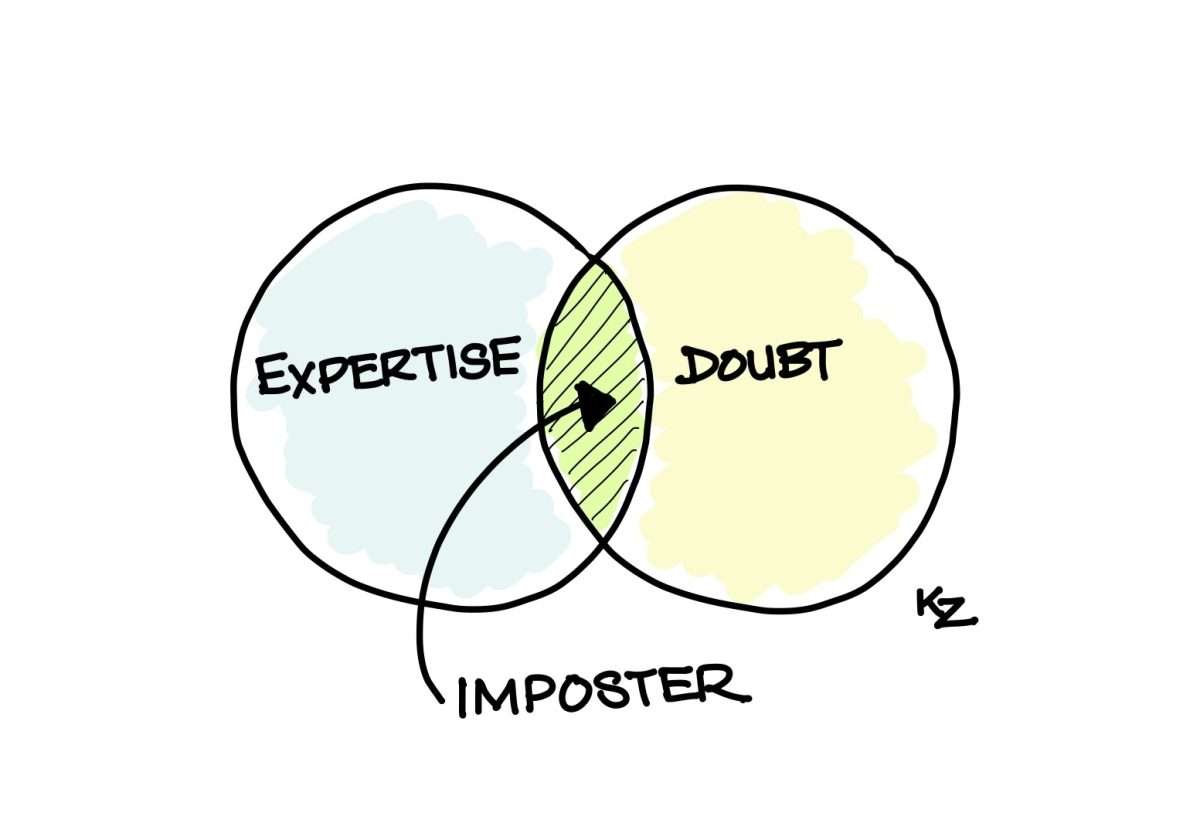
I’ve been thinking a lot about “Imposter Syndrome” lately, especially because, whenever I speak at conferences with female audiences, the organizers always list it as a challenge women face, regardless of industry. Although often associated with women, I’ve recently come across successful men who admit to suffering from it as well. Women openly discuss this phenomenon, and it’s an affliction felt by everyone from Fortune 100 CEOs to those without formal titles.
We talk about it as something to overcome, and yes, that’s an essential part of the conversation, because everyone I know who struggles with imposter syndrome has truly earned their place. Ironically, I find that the ones wrestling with this feeling are often overqualified for their roles, while those brimming with overconfidence and entitlement tend to be the ones lacking in skill or competence.
The truth is, I’m grateful to imposter syndrome.
Here’s the reality: every time I achieve something significant, I feel that I’m not worthy of it. Intellectually, I know I am. I’ve worked hard for decades to get educated, build experience, and reach my goals. Still, despite my resume and accomplishments, I feel I could always be better. This sense of inadequacy drives me to work harder and to never settle.
I’m finding myself stepping into rooms and onto stages where I feel out of place. Every single time, I ask myself how I ended up here. How did I go from being a police chief to speaking in front of hundreds at conferences, addressing audiences that energize and inspire me? People say public speaking is their greatest fear. That’s not the case for me. For me, the fear lies in questioning whether I’m worthy of the stage. I don’t fear speaking in front of 800 people; I fear falling short of their expectations.
A recent post by Sahil Bloom resonated with me:
“Go where you don’t belong. Good things happen when you put yourself in rooms where you don’t feel like you belong… That feeling of uncertainty, fear, and discomfort is usually a sign of growth.”
This discomfort is exactly why I appreciate my imposter syndrome. It’s uncomfortable, sure, but embracing it pushes me to work harder, aim higher, and never get complacent.
Imposter Syndrome Keeps Me Humble
When you feel you don’t belong, you naturally adopt a learning mindset. This mentality prevents arrogance and keeps the ego in check. For me, it encourages a curiosity to understand what others know and excel in areas where I might be lacking. I’ve gravitated toward those who openly seek mentorship, not because they’re unskilled but because they know there’s always room to grow. These people are my kind of people—always learning, always questioning.
It Forces Me to Aim for Mastery
Imposter syndrome operates as an unyielding inner critic, pushing me toward excellence rather than settling for “good enough.” It’s why I consistently look for ways to improve my knowledge and skills—whether by taking a course, listening to a new podcast, or diving into a book. I don’t ever want to regurgitate the same ideas; I strive to bring fresh content to my audiences, readers, and podcast listeners. Growth, after all, only happens outside of our comfort zones, and imposter syndrome provides that necessary nudge. Sometimes, I wish it weren’t so intense, as it can keep me from fully savoring accomplishments. But it also ensures I never lose focus on what’s next.
Imposter Syndrome Builds Resilience
Self-doubt, while uncomfortable, strengthens resilience. Every time I confront these feelings, I get a little tougher and learn to perform under pressure in unfamiliar settings. Just like an athlete who might doubt their performance but pushes forward, I’ve learned to use that pressure as fuel. Instead of avoiding the discomfort, I’ve learned to accept it, seeing it as part of the journey. When self-doubt sneaks in, I remind myself of past successes—moments of triumph that followed the hardest doubts. I believe resilience is not about eliminating fear but learning to carry it with you.
It Encourages a Strong Work Ethic
When you don’t feel innately “good enough,” you find yourself working harder to prove your worth. For me, imposter syndrome consistently nudges me to go above and beyond—whether in preparation, focus, or execution. I’ve come to rely on this extra effort, knowing that each bit of additional work builds a habit of excellence over time. There’s a misconception that successful people no longer experience doubt. In reality, many high achievers feel it regularly; they’ve just learned to turn it into a driving force that keeps their work ethic strong.
Imposter Syndrome Fosters Authenticity
Many assume imposter syndrome will make you pretend to be someone you’re not, to “fake it.” For me, though, it has the opposite effect. I feel compelled to be open about where I’m learning and improving. Authenticity in leadership builds trust; people can sense when you’re genuine and appreciate the work that goes into success. Rather than overcompensate, I let people see the reality of the journey. Transparency about my growth areas with my team or clients has become essential, not just for my own accountability but also as a reminder that there’s strength in honesty.
It Pushes Me to Set Higher Goals
Imposter syndrome can be a catalyst for ambition. It’s that little voice asking, “If you don’t feel like you belong here, what would it take to feel worthy?” Each time it flares up, I use it as an opportunity to stretch further, setting goals I wouldn’t have even considered if I felt comfortable where I am. Many high achievers report that their own imposter feelings push them to expand their vision, to think bigger, and to keep pushing forward. Rather than seeing it as a limitation, I choose to see it as a checkpoint, a sign that there’s more to reach for.
With imposter syndrome as my unlikely ally, I find it easier to maintain momentum, to continue growing, and to keep striving. Far from being a problem to fix, it’s become a part of my journey—my personal compass. It drives me to work harder, to seek more, and to stay authentic. And as uncomfortable as it may be, I wouldn’t trade it for anything, because it’s given me the drive to be my best self, over and over again.
So, if you feel the weight of imposter syndrome, embrace it. See it as a sign that you’re reaching for something worthwhile, something that stretches and challenges you. Let that discomfort drive you to work harder, learn more, and aim higher than you thought possible. Remember, feeling like an imposter means you’re stepping into new territory—territory where growth and achievement live.
Don’t wait for confidence to arrive before you move forward. Use imposter syndrome as fuel, pushing you to take that next step, pursue that next opportunity, or reach out for that knowledge you think you’re missing. Show up even when it’s uncomfortable, and watch what happens when you do. You’ll find that each small win, each challenge faced, will add to your strength.
The only people who never feel like imposters are those who stay safely within their comfort zones. But you? You’re meant for more. Lean into that unease, work with it, and let it push you toward greatness.
